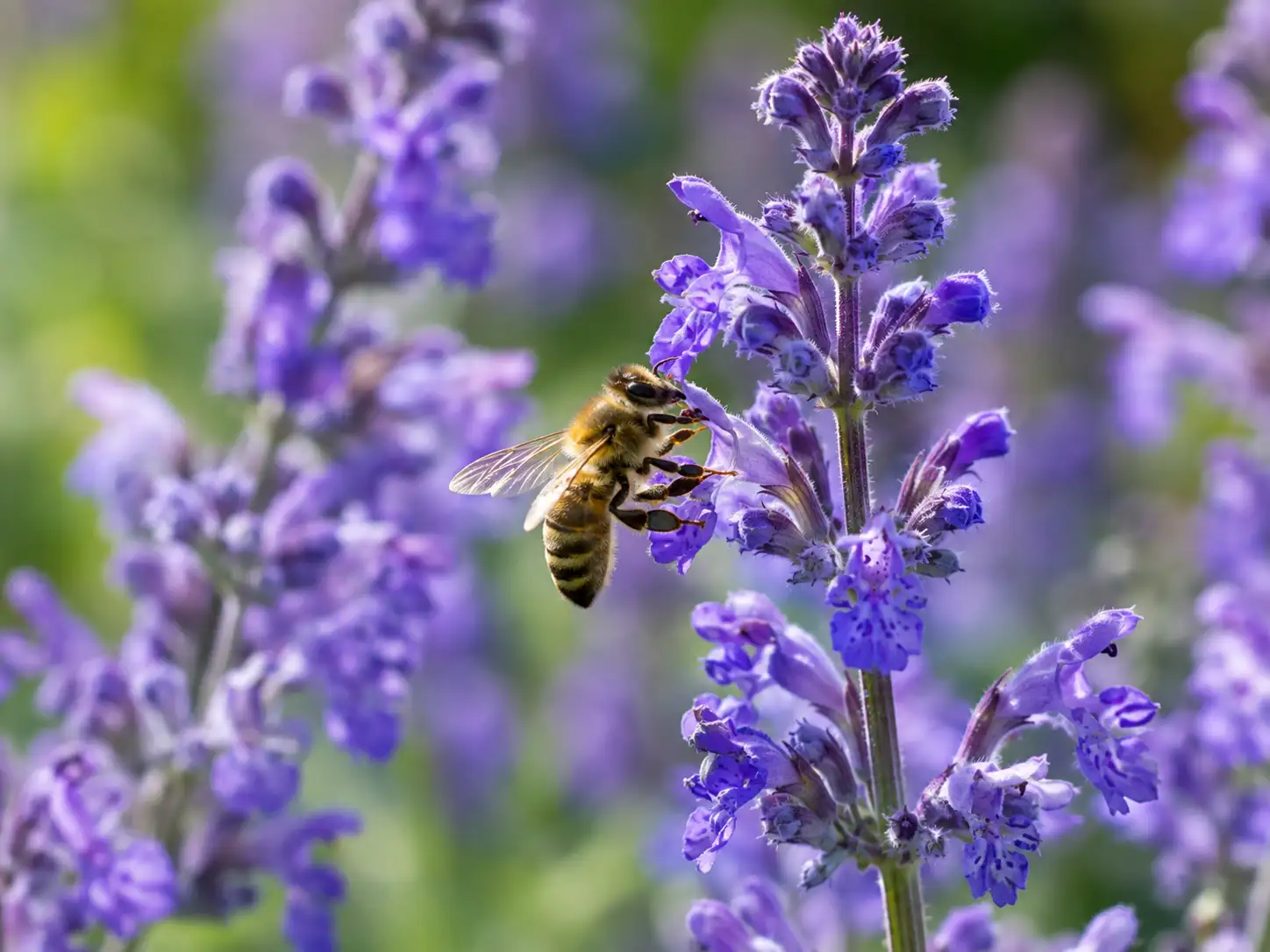
The best low maintenance flowers do more than survive a dry summer, they still look good doing it. After a summer like this one, the plants worth having are the ones that cope on the least water and the least time. Here's where to start.
Top 10 Low Maintenance Flowers
Plant | Best for | Why it earns its place |
|---|---|---|
Full sun, pollinators | Blooms for months, rarely gets straggly | |
Nepeta 'Six Hills Giant' (catmint) | Full sun, pollinators | Flowers June to first frost, even left alone |
Erysimum 'Bowles's Mauve' (perennial wallflower) | Full sun | In flower almost year-round |
Erigeron karvinskianus (Mexican fleabane) | Sun, gaps and paving | Self-seeds and needs nothing from you |
Shade, ground cover | Dies back and tidies itself up | |
Shade, winter colour | Flowers from Christmas to May, barely touched | |
Full sun, pollinators | Flowers May to the autumn frosts | |
Sun or part shade, tall border | Cut back once a year, that's it | |
Full sun | Hardy, and you can propagate it by pushing a stem into soil | |
Full sun | Low, vigorous rose, one light annual trim |
Every plant on that list carries the RHS Award of Garden Merit, which means it's been trialled and shown to perform reliably in ordinary UK garden conditions, not just in a nursery pot.
What we mean by "low maintenance"
Some flowers hold traits that make them low maintenance some of the main traits are:
- Drought tolerant once it's settled in, not just while someone's watering it
- Naturally disease resistant, so you're not reaching for sprays
- A growth habit that doesn't need staking or constant cutting back
- Minimal deadheading required to keep flowering
Bedding plants that need replacing twice a year, and roses that demand regular feeding and spraying, fail that test even though they're popular. There's nothing wrong with them, they're just not what this list is about.
For shady spots
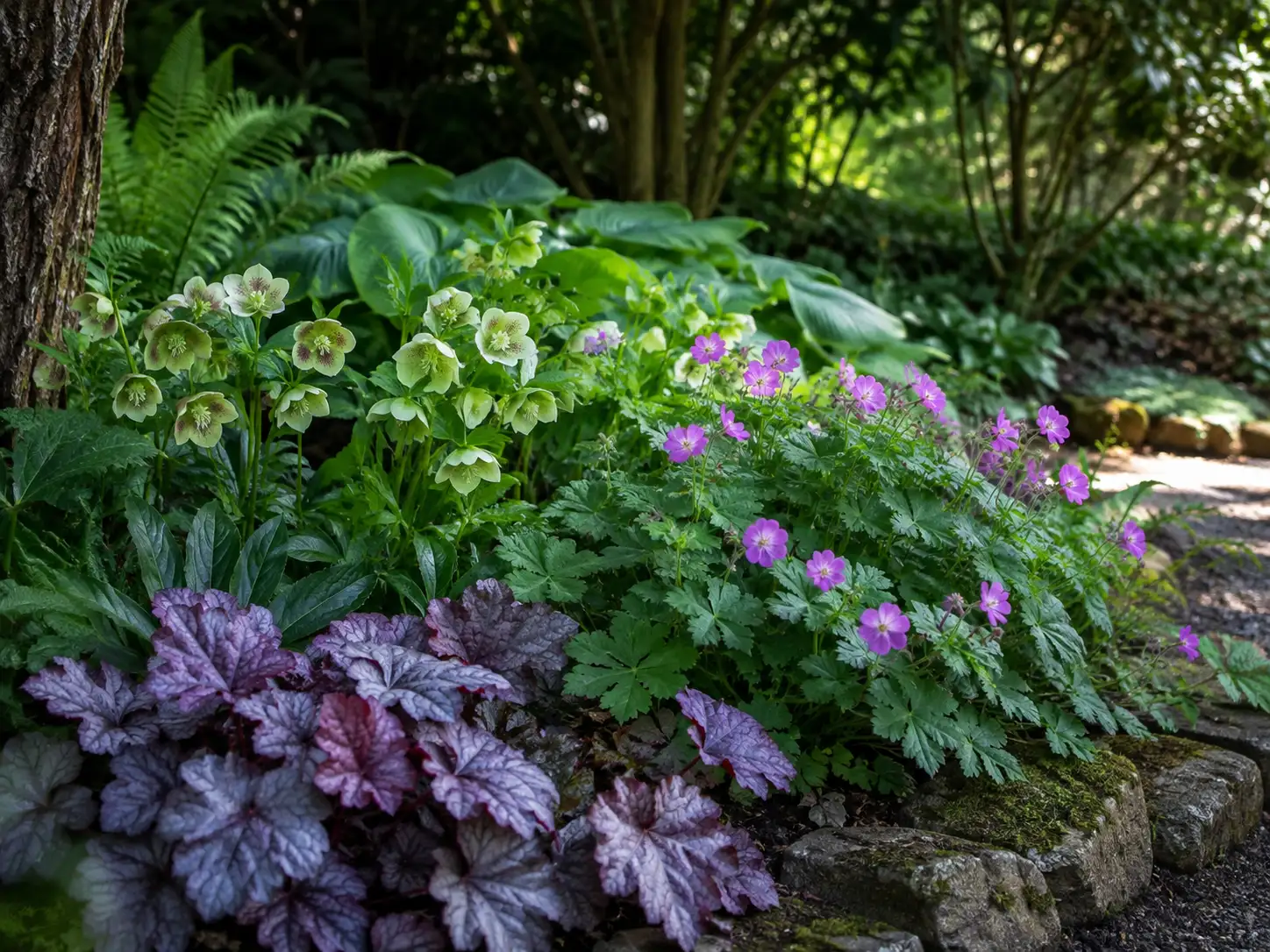
Shade doesn't have to mean bare soil:
- Geranium macrorrhizum, ground cover that flowers in June and July and needs no cutting back
- Helleborus, in flower from the depths of winter into spring
- Astilbe, good for damp, shady corners near water features
- Heuchera, grown mainly for foliage colour but a reliable low-light filler
For pollinators
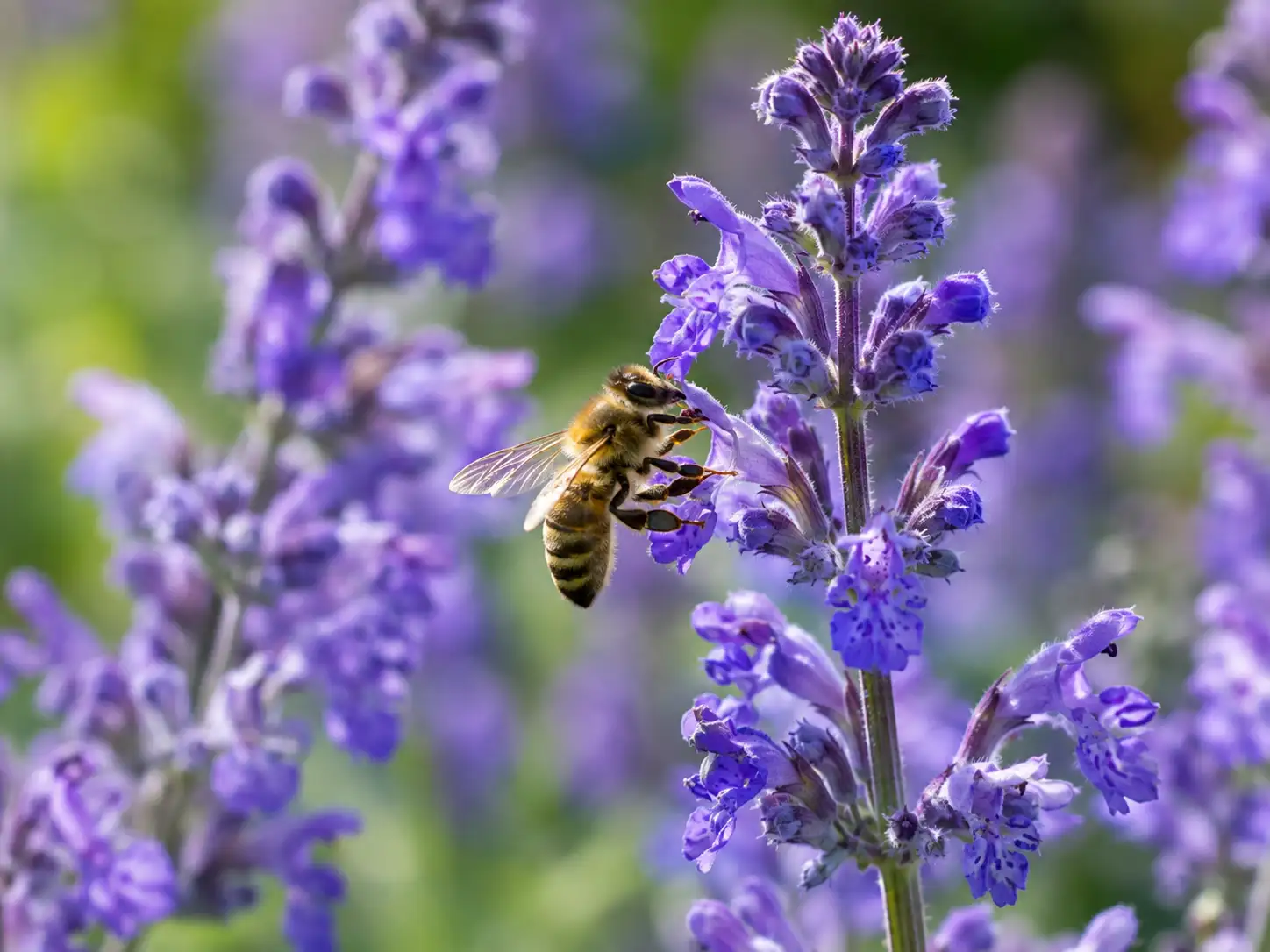
Look out for the RHS Plants for Pollinators label when you're buying, it's based on the RHS's own research into what bees, butterflies and hoverflies actually use. Lavender, catmint, salvia and Mexican fleabane, all in the quick picks above, carry it.
When to plant
Most hardy perennials go in during two windows: March to May, or September to October, when the soil's workable and not baking hot or frozen solid. Bare-root roses are best planted while dormant over winter. Container-grown plants are more forgiving and can generally go in whenever the ground isn't frozen or waterlogged.
Low Maintenance. Not, No Maintenance...
Low maintenance doesn't mean no maintenance in year one. Even the toughest plants on this list need watering in properly through their first season while the roots establish, the same point we made about new turf in our recent piece on lawn drought recovery. Get that first year right, and most of these will genuinely look after themselves from then on.
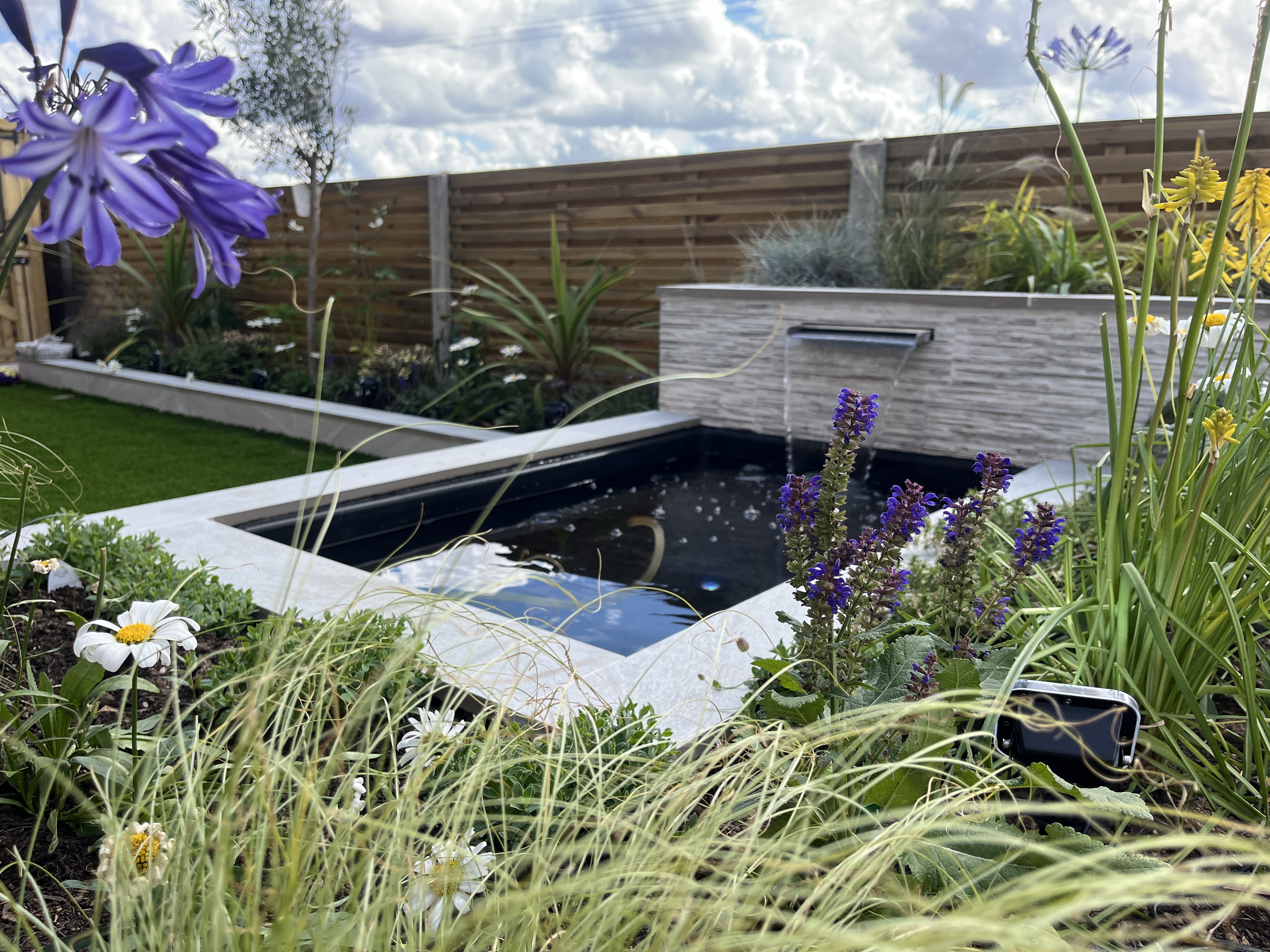
If you're planning a border refresh, whether that's replacing thirsty bedding with something tougher or filling a shady corner that's never quite worked, we cover planting and garden design as well as landscaping across Leicester Forest East, Groby, Ratby and the surrounding area. Get in touch and we'll talk through what suits your garden.
- guides
- gardening
- garden design