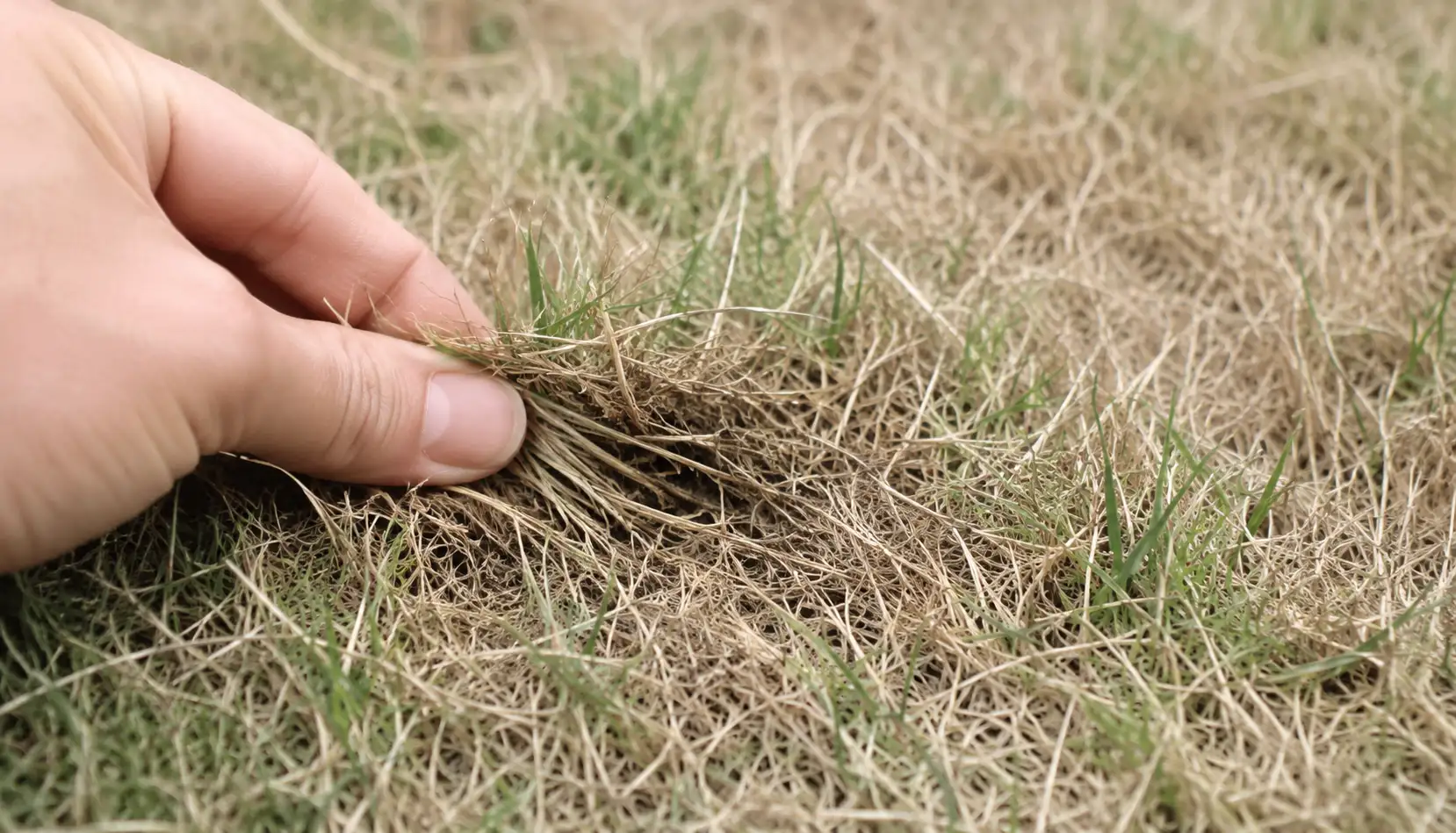
Half of England is officially in drought, the Environment Agency declared on 29 July 2026, after a July that brought just 7 percent of usual rainfall nationally, dropping to about 1 percent in the south. With a fourth heatwave now underway, it's no surprise most calls to our office this week open with "what's happened to my lawn?"
The East Midlands sits one stage below that, in "prolonged dry weather" status rather than full drought, and Severn Trent, who supply Leicestershire, have only issued a voluntary appeal rather than a formal hosepipe ban. As BBC News reported in July 2026, they haven't imposed one in over 30 years.
Brown grass doesn't care which side of that line it's on, though. If your lawn in Leicester Forest East, Groby or Ratby has turned the colour of digestive biscuits, the good news is that proper lawn drought treatment this year is mostly about doing less, not more.
Will brown grass turn green again?
In nearly all cases, yes. What looks dead is almost always dormant: grass lets its leaf blades die back in drought while the roots and growing points below the surface stay alive, waiting for rain. The RHS makes the same point in its lawn drought guidance: watering a parched lawn through summer mostly wastes water rather than speeding up recovery.
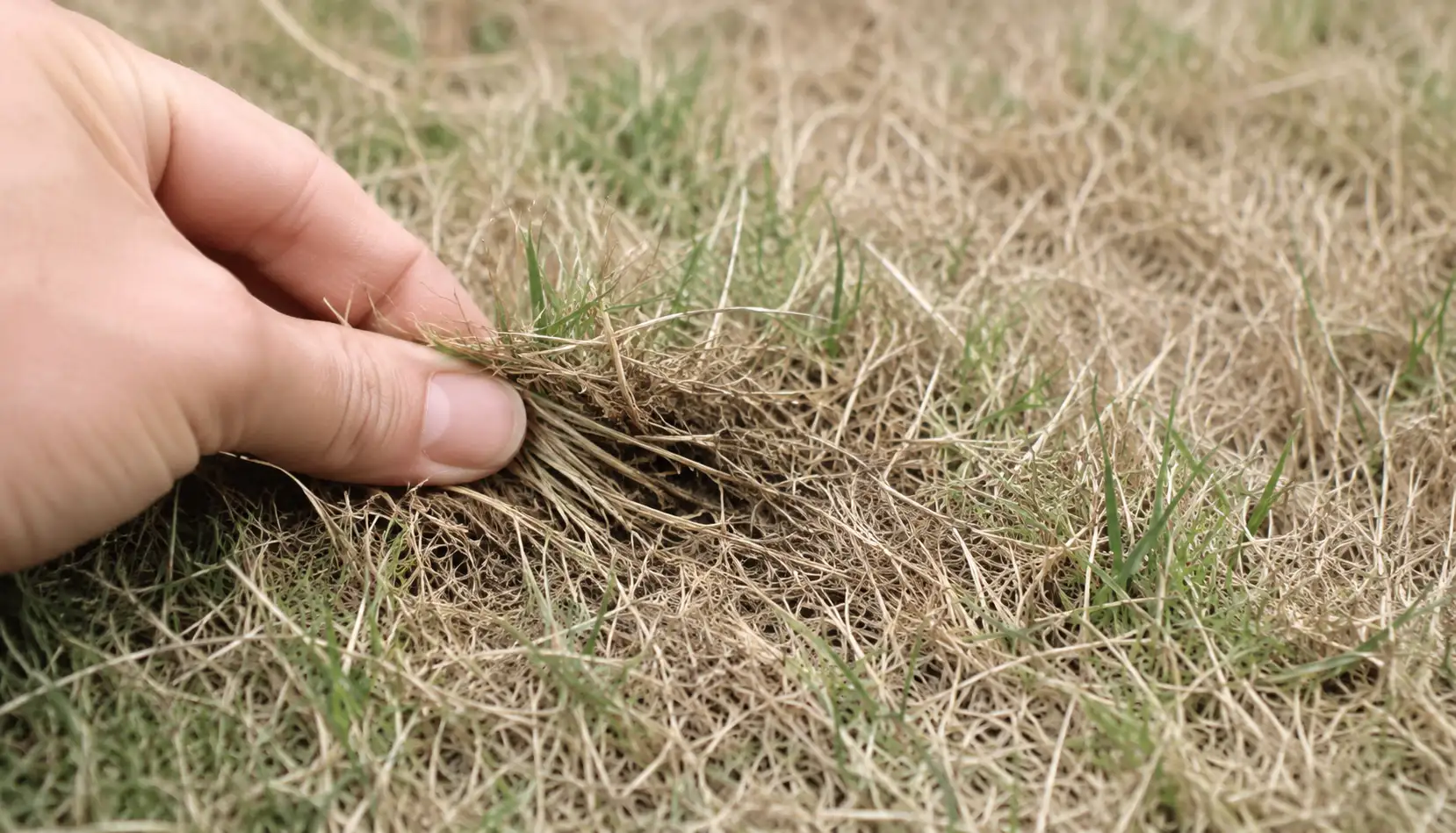
To check which you're dealing with, pull gently on a patch of brown grass. Comes away easily with no resistance? The roots have likely died and it's a repair job for later in the year. Holds firm? It's dormant, not dead.
Recovery time depends on how severe the drought's been and how healthy the lawn was beforehand. A well-maintained lawn usually shows its first flush of green within one to two weeks of proper rain. A lawn that was already thin or neglected, or one that's been through an unusually long dry spell like July 2026, can take longer and may need reseeding in bare patches come autumn.
Worth noting: yellow isn't the same as brown. Straw brown across the whole lawn is drought dormancy. Patchy yellow more often points to dog urine, a nutrient deficiency or a fungal issue, and won't necessarily clear up once it rains.
What to do, and what to avoid, during a drought
Most drought mistakes come from treating dormant grass like a sick one and trying to nurse it back with the mower or the hose. Here's the short version, with more detail on watering and scarifying below.
Do | Don't |
Raise your mower blade and cut less often | Cut grass short, or mow at all once growth has properly stopped |
Leave clippings on the lawn as a mulch | Collect clippings if you can help it, they help hold moisture in |
Use a watering can or grey water on new turf or seed only | Water an established lawn "just in case", it wastes water for little benefit |
Wait for autumn to scarify, aerate or reseed | Scarify, weed or feed a lawn that's currently dormant or stressed |
Keep an eye on bare or thinning patches for later repair | Panic-buy quick fix products with no evidence behind them |
Check your own water company's current restrictions | Assume every supplier has the same rules, they don't |
The best way to water your garden in a heatwave
For an established lawn, the honest answer is: don't, or don't feel obliged to. Mature grass survives drought by going dormant, and watering it through summer doesn't meaningfully speed that up, it just uses water that plenty of regions can't spare this year, per the RHS.
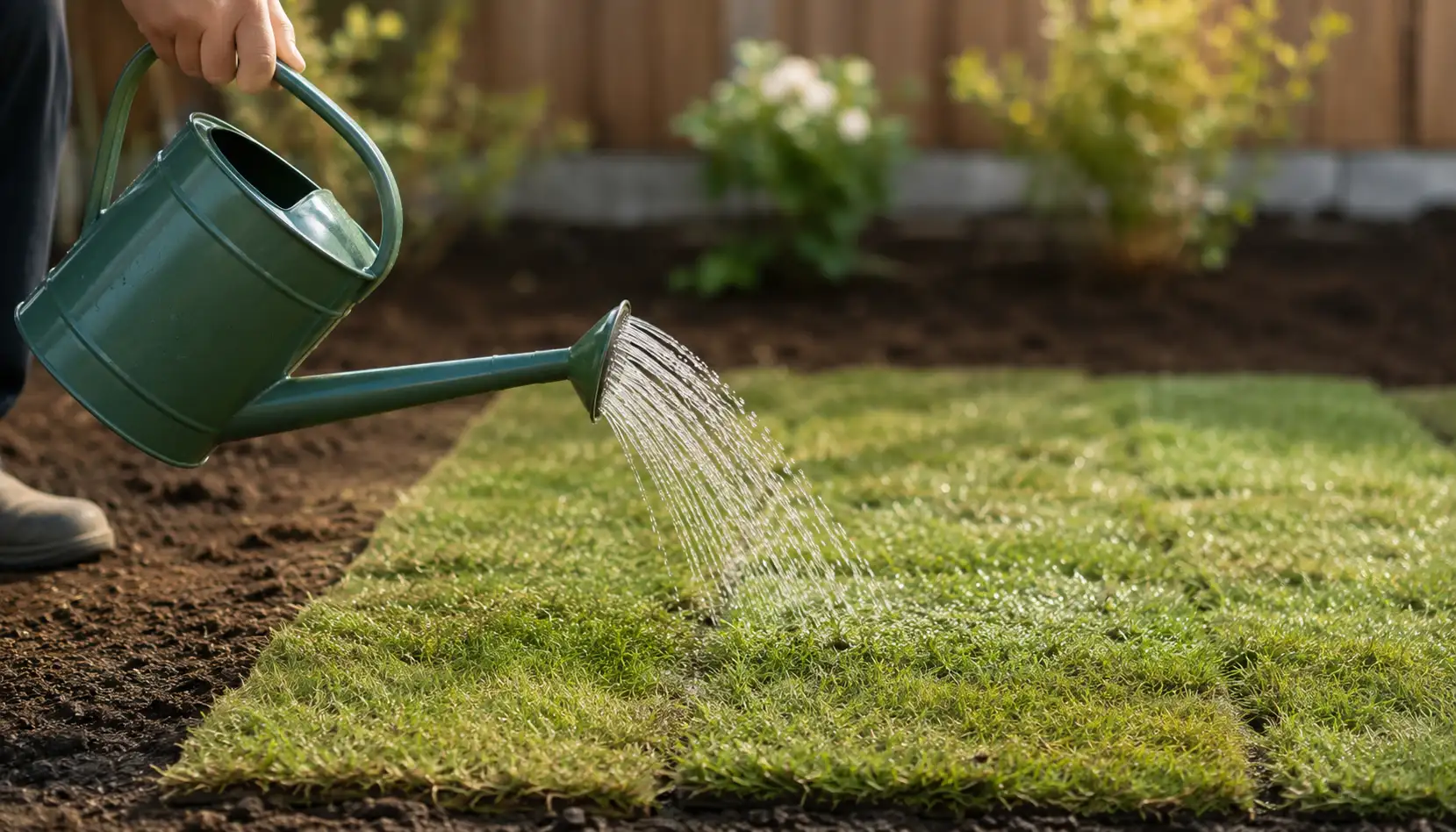
Watering does matter for anything newly planted, none of it has the root system yet to cope with a long dry spell:
- New turf
- Spring-sown seed
- Young trees
- Anything in pots
Water these deeply and less often rather than little and daily, which keeps roots shallow. Early morning or evening beats the middle of the afternoon, when much of what you put down simply evaporates.
If you're under a hosepipe ban, watering cans, stored rainwater and grey water are still fine. Water companies currently running Temporary Use Bans, with fines up to £1,000 for breaching them, include:
- Anglian Water
- Thames Water
- Southern Water
- South East Water
- South West Water
- Affinity Water
- Cambridge Water
Severn Trent customers in Leicestershire aren't under one at the time of writing, though it's worth checking your own supplier directly since rules can change fast and don't always follow county lines.
Should you scarify your lawn after a drought?
Not straight away. Scarifying works by physically stressing the lawn to strip out thatch and moss, and a lawn already stressed by weeks without rain isn't in a position to take that on top of everything else. The RHS treats the autumn after a dry summer as the main renovation window, once the grass is actively growing again rather than sitting dormant.
In practice that means waiting until September 2026, once nights have cooled and there's been enough rain to get growth going properly, rather than working to a fixed date. The same goes for weed killer and feed: both are best held back from drought-affected turf until growth resumes, since treating a dormant lawn does little and can do more harm than good.
The most drought resistant grass for UK lawns
If this summer has you thinking about reseeding, grass species matter. Fine, manicured lawns built from bent grasses (Agrostis) suffer most in a drought. Ordinary domestic lawns with more fescue cope noticeably better, per the RHS, because fescues root deeper and can still find moisture once the top few centimetres of soil have dried out.
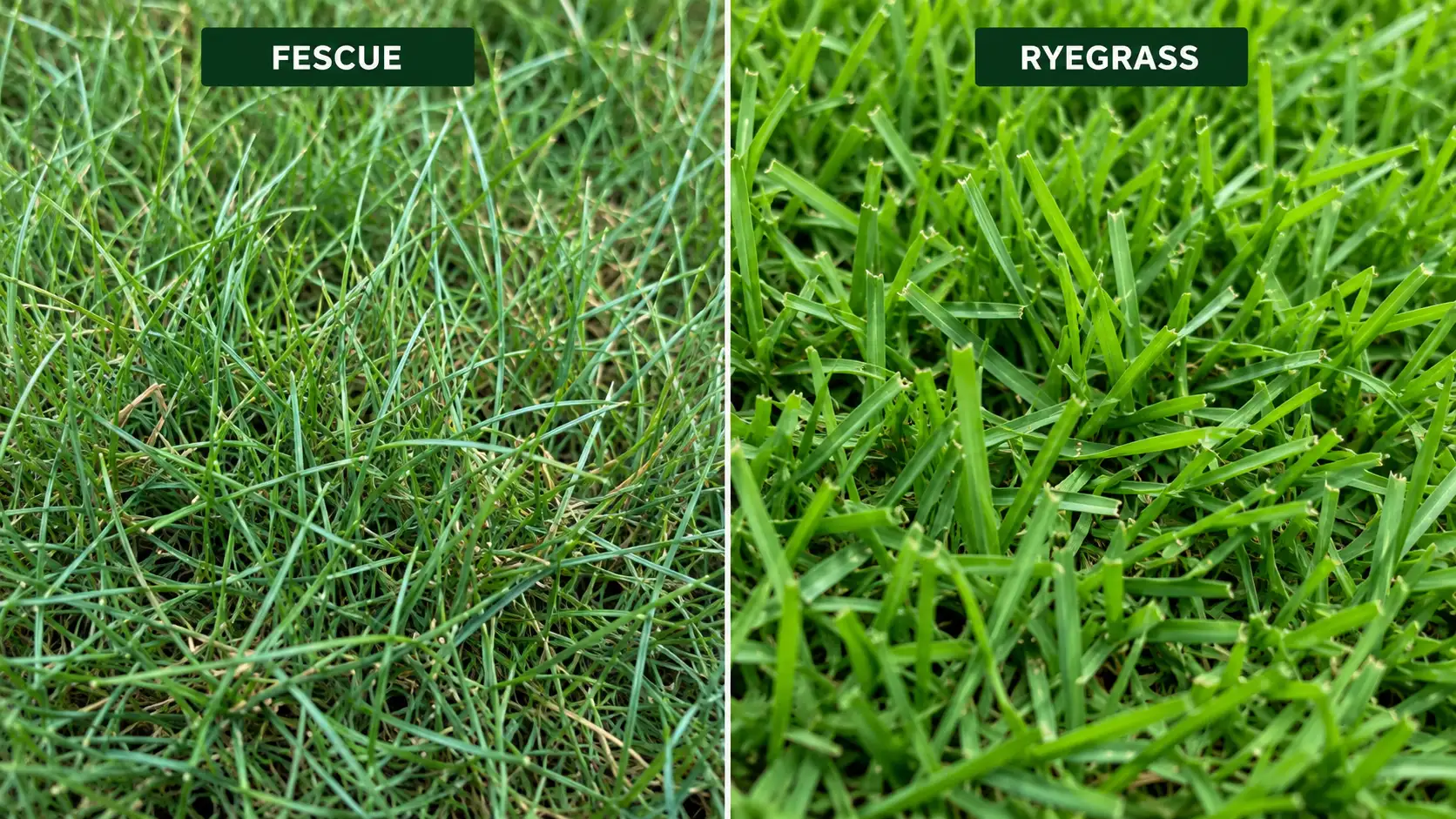
A few options worth knowing:
- Tall fescue: generally the most drought tolerant grass commonly sold as UK lawn seed, thanks to a much deeper root system than perennial ryegrass or fine bent
- Fine fescues (chewings, hard, slender creeping red fescue): particularly good for shaded or low-input lawns, though slower to establish and less wear tolerant than ryegrass
- Fescue and ryegrass blends: the better choice if you want wear tolerance alongside drought resistance
- Micro-clover: worth adding to a mix, copes with dry spells better than most grasses and stays green when grass looks tired
September is by far the best time to sow or over-seed, while soil's still warm enough for quick germination and the grass gets a full autumn, winter and spring to root properly before next summer.
Quick fixes, myths, and what actually works
There's no genuine way to green a drought-stressed lawn in three days, whatever some products promise. Real recovery depends on rain and root health, neither of which responds to a weekend's work.
Baking soda is a good example of a myth that persists online. It's essentially a form of salt, and the sodium in it can damage soil structure and burn roots if applied in any quantity. There's little evidence it greens grass, and reasonable evidence it does the opposite. A proper lawn tonic with sulphate of iron is the tried and tested option for colour: it darkens grass and helps toughen it against moss and disease without baking soda's risk to soil. It's no substitute for water and root health, though, and won't do much on a genuinely drought-stressed lawn until growth resumes.
For a deeper green long-term, the fundamentals do the work: good soil with organic matter, mowing at the right height for the season, and a lawn that isn't compacted or starved of nutrients. Not exciting, but it's what holds up once the heat returns next year.
Does Topdressing and over-seeding help the grass?
A thin layer of sandy topdressing over an existing lawn is standard practice, usually done in autumn alongside scarifying and aerating. The key word is thin: a light dusting that works between the blades improves the soil underneath, while a thick layer smothers the grass.
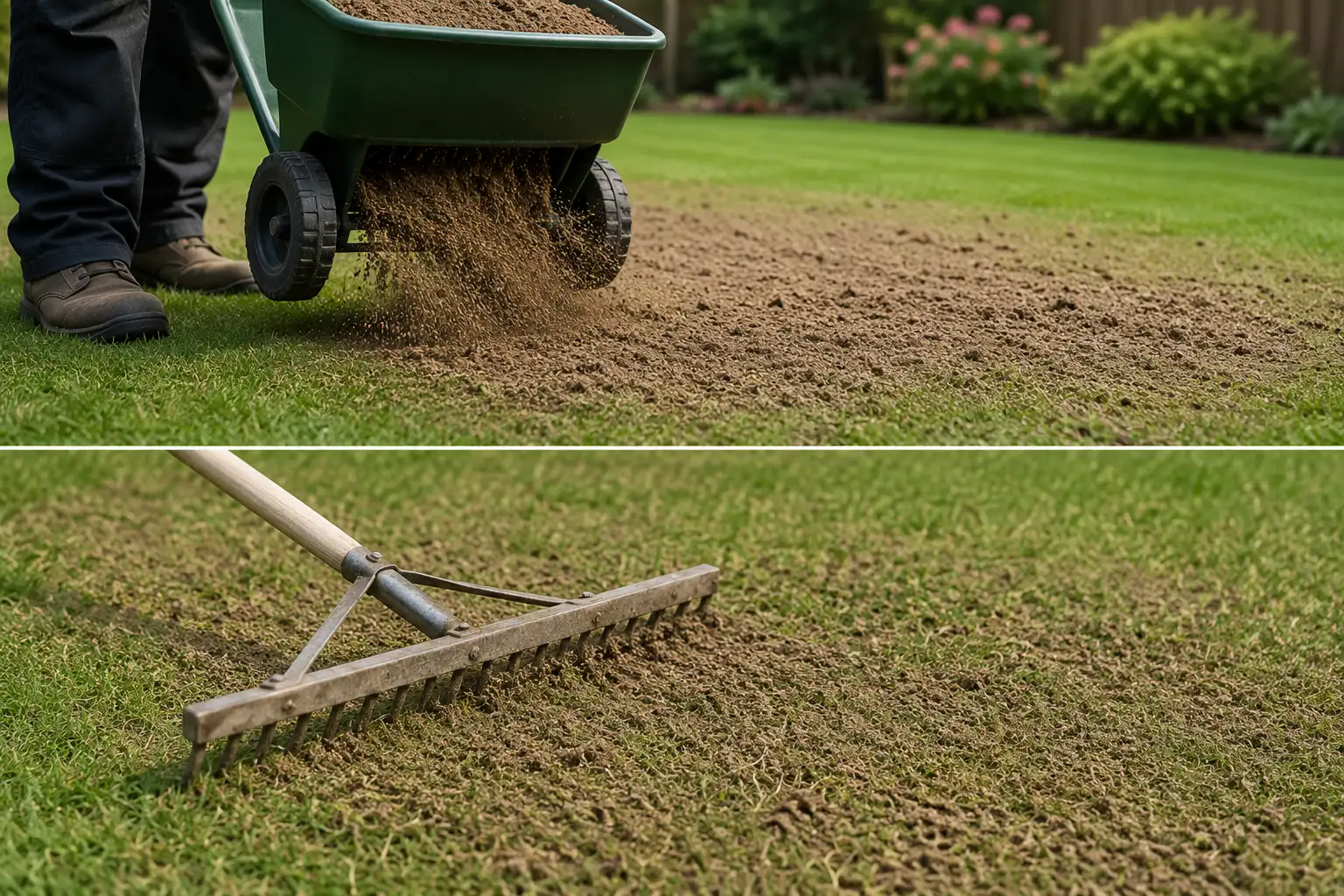
Over-seeding, sowing new seed over an existing lawn, is the normal way to thicken a thin or drought-damaged lawn without starting from scratch, and autumn's the time to do it. Laying new turf directly over old grass is different, and not something we'd recommend: the old grass and thatch stop new roots reaching the soil, so it tends to dry out and fail. If a lawn's too far gone for over-seeding to fix, it's usually better to strip back and start again than lay turf on top of the problem.
The risk of fire
Dry gardens aren't just a lawn problem this summer. The National Fire Chiefs Council recorded 706 wildfires across England and Wales so far in 2026, 208 of those between 16 and 28 July alone, with fire services citing dry grass, heat and harvest activity as a fast-spreading combination.
Worth carrying into ordinary garden work:
- Clear cuttings and debris rather than leaving them in a heap, strimmers and mower blades can spark on tinder-dry grass
- Check for glass, stones or metal before mowing over long dry grass
- Take extra care with bonfires and barbecues, both have been cited this summer as causes of fires that spread further than expected
None of this means holding off on garden work, just being a bit more careful with anything that generates heat or a spark.
Quick answers
What month should you not cut grass?
There's no fixed UK-wide month. It's condition-based: stop mowing once growth genuinely stalls in a drought, and hold off again if hard frost or waterlogging makes it a bad idea in winter. No Mow May is a separate wildlife campaign, leaving the lawn uncut through May for pollinators, not drought advice.
How do I turn yellow grass green again?
Depends on the cause. Straw brown across the whole lawn is drought dormancy and greens up with rain, as above. Patchy yellow is more often dog urine, a nutrient deficiency, or a fungal problem, and won't clear on its own. Once the lawn's growing again in autumn, a proper feed, and treatment for the specific cause if needed, does more than waiting it out.
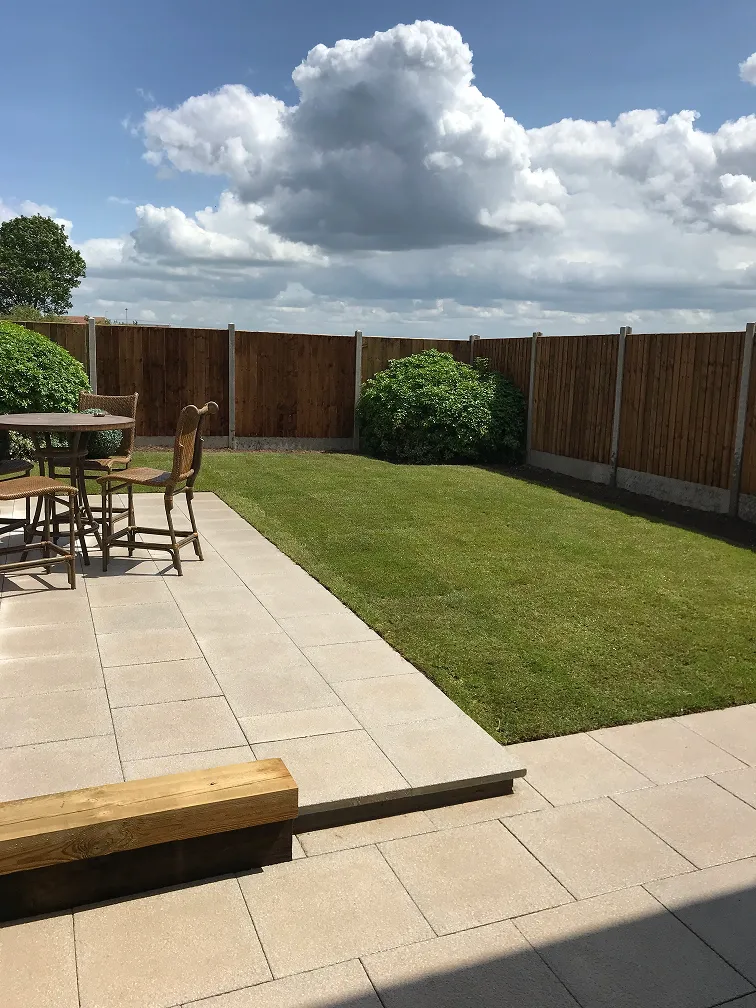
Most lawns dealing with this summer just need patience and a lighter touch until the weather breaks. If yours is still patchy come September 2026, or this drought has you rethinking a high-maintenance lawn altogether, we handle turfing, re-turfing and paving across Leicester Forest East, Groby, Ratby and the surrounding area, including permeable paving if you'd rather cut down on watering next time. Get in touch and we'll take a look.
- guides
- garden design